essay
The flaw got the promotion
Why there are six shapes in your screwdriver drawer, and how a stubborn Canadian inventor lost America to a man who was happy to sign.
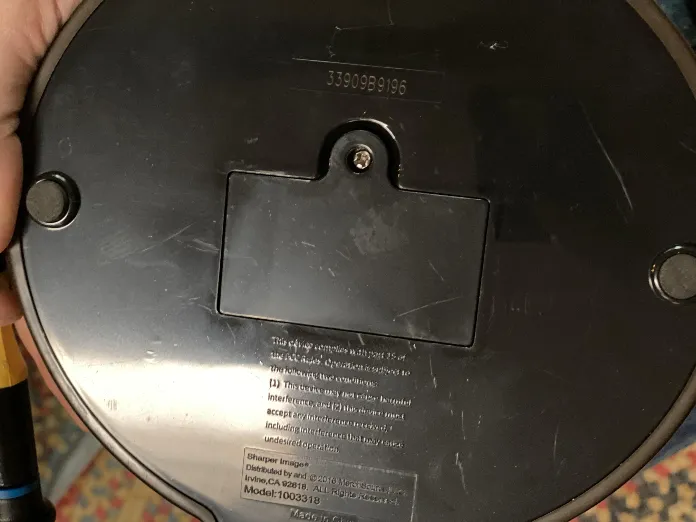
Saturday morning I’m sitting on the floor with one of my kids’ toys, the kind that’s been playing the same eight-second song at half speed all week because the batteries are dying. The battery door has one little screw in it. I holler down the hall for a screwdriver, and my wife, who is doing me a favor, brings me a flathead.
“I need a Phillips.”
She gave me a look like I’d asked for a specific flavor of hammer. Which, fair. I’ve had the same drawer of bits for years and never once wondered who decided there needed to be six of them.
So instead of changing the batteries, I looked it up.
Everybody says the little X was designed to slip on purpose, and I wanted that to be true. Guys on the line in the thirties had power drivers with no way to control how hard they cranked, so the screw was built to pop the driver out before anybody stripped it. The screw as a safety valve.
It’s a great story. It’s also not true, and the original patents say so. The whole selling point was that the driver would seat firmly and would not pop out.
It popped out anyway.
And it popped out so usefully that a few years later they filed a follow-up patent basically admitting the accident beat the plan. Screws that gripped properly kept wrecking things on real assembly lines, because the bit wouldn’t let go before something broke. So the flaw got the promotion. Nine years late, in writing.
Now, Canada.
Buy a deck screw in Ontario and it has a little square hole in it instead of an X. That’s a Robertson, and the reason it never made it down here has nothing to do with engineering.
Peter Robertson was a traveling tool salesman. He’s doing a demo one day, a flathead skids off a screw, and he opens up his hand. So he designs a square socket that won’t do that, and it works. The Ford plant in Windsor starts sinking hundreds of them into every Model T, and Ford figures out the square drive is saving him two hours of labor per car.
Ford wants the exclusive American license. Robertson says no. He’d already been burned in England, where the man he licensed to ran the company into the ground on purpose and bought the rights back out of bankruptcy, and he wasn’t handing anybody the keys to his screw again.
So Ford shrugs, keeps the Robertson in Canada, and goes looking for somebody less precious about ownership. That’s Henry Phillips, who was in the licensing business and thrilled to be asked.
That’s the whole border. Canada got the better screw. We got the one whose owner would sign.
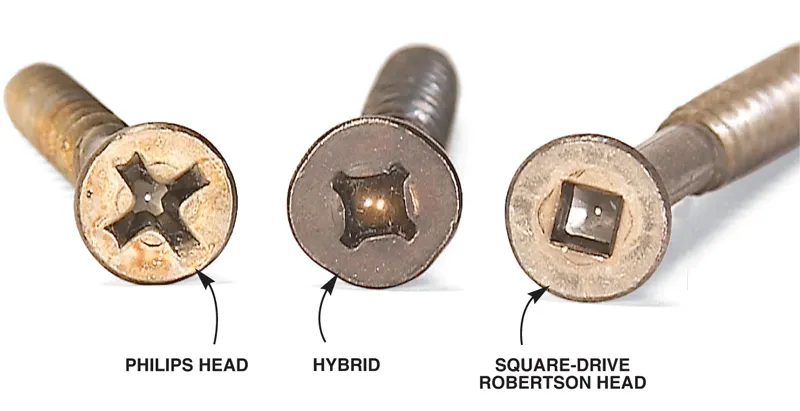
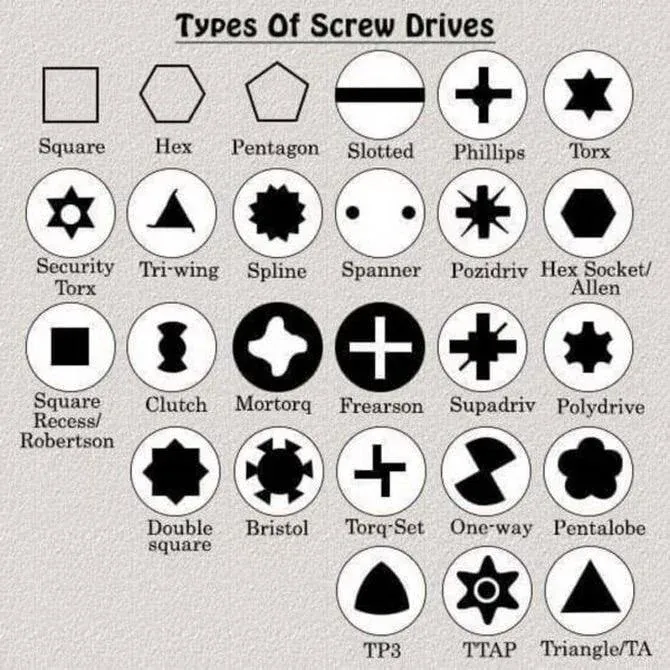
As for the rest of the drawer, mostly each shape is fixing the last one’s problem. The flathead my wife handed me is the oldest of them because a straight slot was the easiest thing to cut into metal. Then the X, which you can seat one-handed without looking down. Torx, the star ones, showed up in 1967, right when machines finally got accurate enough to stop themselves. Nobody needed the screw to be the fuse anymore.
Then the newest shapes quit trying to be better screws at all. That weird little five-pointed flower, called a “pentalobe,” on the bottom of your iPhone isn’t good at anything in particular. It’s there so the bit in your kitchen drawer doesn’t fit. Thanks Apple.
I did get the batteries changed. Four minutes, most of it spent locating the Phillips. My wife has not asked what I learned.
Further research
- The truth about Phillips screws and the slipping myth (ToolGuyd)
- The Portland man who actually invented the Phillips screw (Oregon Encyclopedia)
- P. L. Robertson, the man who told Henry Ford no (Wikipedia)
- Bit history: the Torx (iFixit)
Stay curious.